North Texas is hard on grass. Summer heat, clay soil, sudden storms and kids running across the yard all test a lawn. If you are trying to figure out the best sod for North Texas lawns, the answer depends on how much sun your yard gets, how it is used and how much upkeep you want to take on.
At W5LC Landscape, we have helped Southlake, Colleyville, Keller and nearby homeowners turn bare dirt into a lawn that holds up. This guide walks through the main sod choices, when to lay them and what to get right before the first roll goes down.
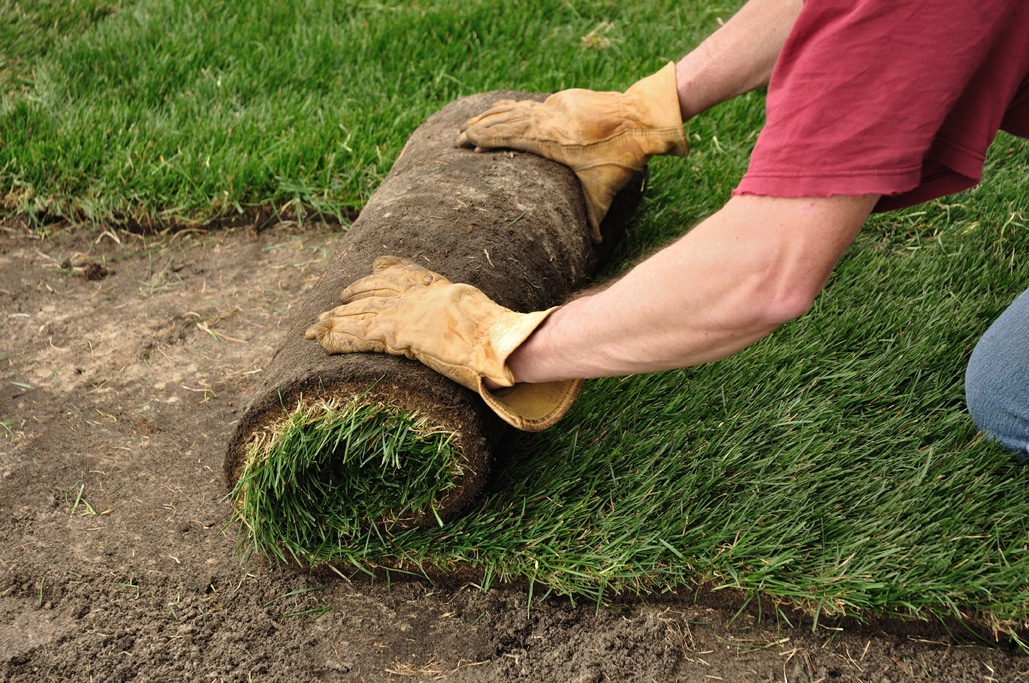
Seed is cheaper per square foot, but it takes patience. It can take weeks to fill in, and a hard rain on a slope can wash it away before it roots. Sod gives you a finished lawn the day it is laid.
If you are searching for a sod installation near me, the real question is usually which grass to buy. That is where most lawn projects go right or wrong.
Most North Texas lawns use warm-season grass. These grasses grow strongly in heat and go dormant, or turn tan, in winter. Three varieties cover most yards in our area.
Bermuda is the workhorse of North Texas. It handles heat and dry weather well and bounces back from kids, dogs and backyard games. The tradeoff is sunlight. Bermuda wants full sun most of the day, so it struggles under big trees.
Choose Bermuda for an open, sunny yard that sees heavy use.
St. Augustine has thick, wide blades and a lush, carpet-like look. It handles partial shade better than Bermuda, which suits older neighborhoods with mature trees. It also needs more water and recovers slowly from heavy foot traffic.
Choose St. Augustine for a mix of sun and shade and a lush look over rough play.
Zoysia feels soft and dense and grows slower, so you mow less. It handles sun and some shade and needs less water than St. Augustine. It is slower to establish and usually costs more up front.
Choose Zoysia for a premium, low-maintenance lawn if you can wait for it to fill in.
A few honest questions will narrow things down fast:
Not sure? Walk the yard at different times of day and note where shade falls. We do the same on a site visit.
Warm-season sod does best when soil and air are warm, which in our area means late spring through summer. Roots establish quickly in that heat, as long as you water consistently. Early fall can work too, with the understanding that the grass may go dormant soon after and green up again in spring.
Winter is a different story. Warm-season lawns turn tan and growth stops, so many homeowners start thinking about the year-round option. If you want green in every season, read our guide on turf for year-round play and relaxation, or see how timing works in our post on turf installation before the holidays.
Good sod can still fail on poor prep. These are the steps that matter most.
Remove old grass and debris, level the ground and loosen compacted soil. Clay holds water, so low spots can turn into soggy patches that rot new roots. If your yard stays wet after rain or soil washes out along a slope, solve that before you lay sod. Our drainage solutions team can add a French drain or handle erosion control so your new lawn is not undone by the first storm.
New sod needs steady moisture for the first couple of weeks, so the roots reach into the soil below. Keep the sod damp and avoid letting seams dry out. After it roots, gradually water deeper and less often, and adjust through the seasons.
Once the sod is rooted, mow at the right height for your grass, feed it on a schedule and aerate when needed to keep the lawn thick.
Real grass gives you cooler ground and a classic look, but it needs water, mowing and seasonal care. If you would rather skip that routine, artificial turf and sod installation can be planned together, with real grass where you want it and turf where you need it to stay green. For a closer look at the pet side, see our post on pet turf installation in winter.
We are a family-owned landscaping company in Southlake, so your lawn is treated like our own. We offer free, same-day estimates, clear pricing with no hidden fees and a design fee that is returned if you build with us. Browse recent yards in our project gallery, or pair a new lawn with a patio or landscape design so the whole yard works together.
Ready for a fresh start? Request your free sod estimate and we will walk your yard with you.
Bermuda is the most common pick for sunny, high-traffic yards. St. Augustine suits yards with some shade, and Zoysia is a good low-maintenance choice for homeowners who want a softer lawn.
St. Augustine and Zoysia handle partial shade better than Bermuda. In deep shade, no turfgrass does well, so consider mulch, groundcover or a hardscape area instead.
Light foot traffic is usually fine after a couple of weeks, once the sod has started to root. Keep heavy use, pets and play to a minimum until it is firmly anchored.
Sod costs more up front, but it covers the soil immediately, resists washout and is more reliable in hot weather. Seed is slower and more vulnerable to heavy rain.
You can, but warm-season grasses are dormant, so the lawn will look tan and root slowly until spring. Many homeowners wait for warmer weather or choose artificial turf for winter color.
Look for a local company that visits your yard, explains the grass options and gives a written estimate. W5LC Landscape offers free, same-day estimates in Southlake and nearby cities.

If your lawn needs a fresh start, sod installation is the fastest way to boost curb appeal. Contact W5LC Landscape today for a free estimate and let’s create the lawn you’ve always wanted.